
You can follow every best practice in product design, but if your prototype doesn't match what engineering can actually build, you're just adding steps. Many teams still wireframe in tools that have no connection to their codebase, then hope the handoff goes smoothly. Teams that ship faster often test directly against their real product, cutting out the guesswork before anyone writes production code. Here's the full product design process and where the biggest bottleneck actually sits.
TLDR:
- Product design solves real problems through research, prototyping, and iteration across software products.
- Entry-level roles start at $60K-$75K; mid-career averages $95K-$115K; California roles exceed $130K.
- Figma and free online tools provide accessible entry points for beginners learning product design.
- AI now generates wireframes and components in minutes, speeding up early prototyping work.
- Some cloud-based playground tools now let teams modify real codebases in isolated sandboxes and share interactive prototypes via link in minutes.
What Is Product Design?
Product design is the practice of creating products that solve real problems for real people. It spans the full arc from early research to final form, shaping how something looks, how it works, and how it feels to use.
A banking app, a SaaS dashboard, an onboarding flow. The scope is wider than most people expect, but the thread running through all of it is intentionality: every decision, from layout to button placement, is made with the user in mind.
In 2026, software product design has matured considerably. McKinsey research tracking 300 companies found that those with the strongest design practices saw up to 32% higher revenue growth than their peers, making the discipline a measurable business advantage. Teams are expected to move faster, validate ideas earlier, and ship with more confidence than ever. Understanding product design means understanding how research, prototyping, and iteration work together in that context.
The Product Design Process
The process rarely runs in a straight line. Teams often prototype before finishing research, or loop back to reframe the problem entirely after testing reveals something unexpected. Most product design work still follows a recognizable sequence:
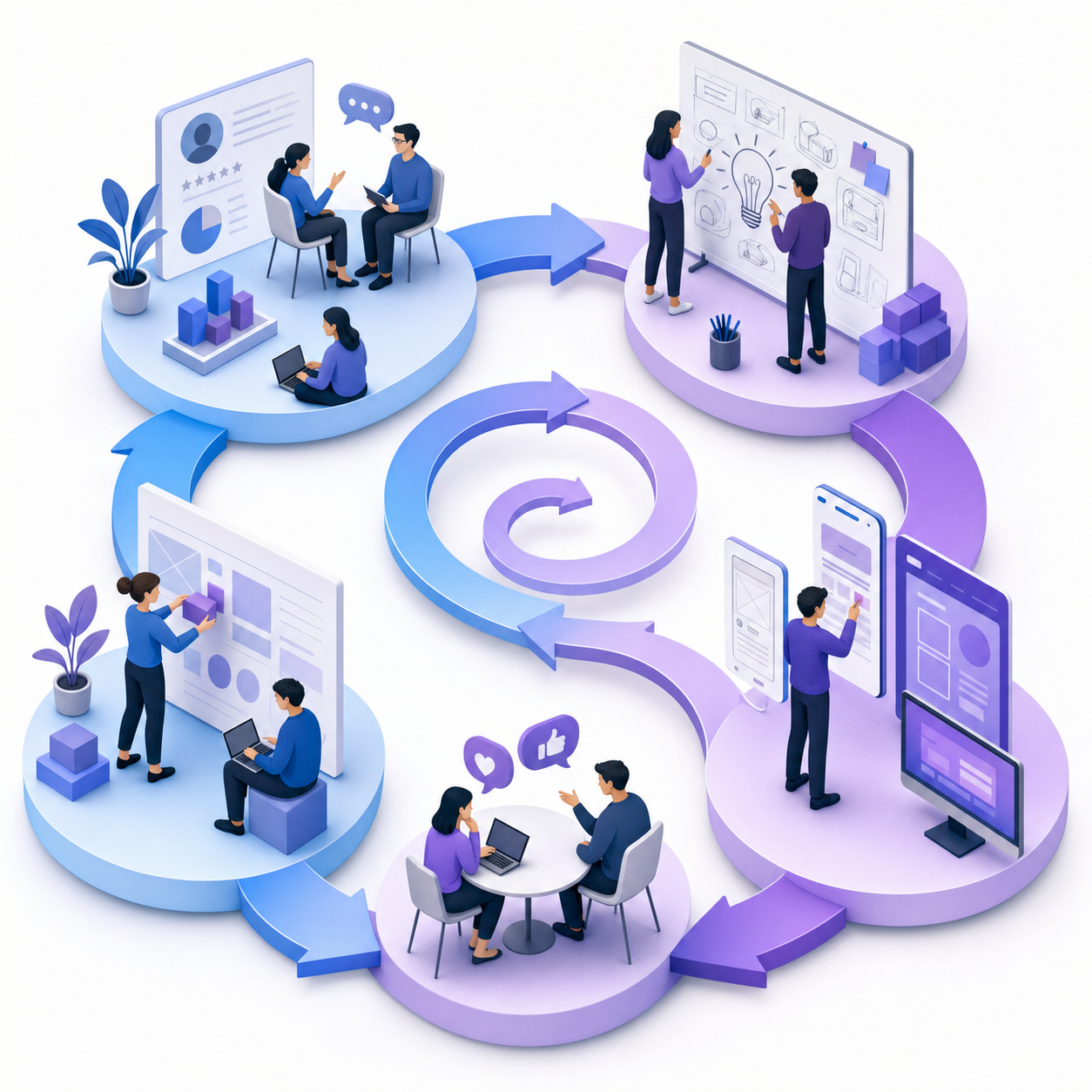
- Research: Talking to users, studying competitors, and identifying unmet needs that existing solutions miss
- Conceptualization: Sketching ideas, aligning on direction, and defining what success actually looks like
- Prototyping: Building testable versions, from rough wireframes to high-fidelity mockups
- Testing: Putting prototypes in front of real users and observing what actually happens
- Iteration: Refining based on feedback, then testing again until the product earns confidence
The loop between testing and iteration can repeat many times before anything ships. Good teams stay curious and stay open to being wrong.
Types of Product Design
Software product design branches into several specializations, each producing distinct outputs for distinct audiences. These differences show up across several areas of product design:
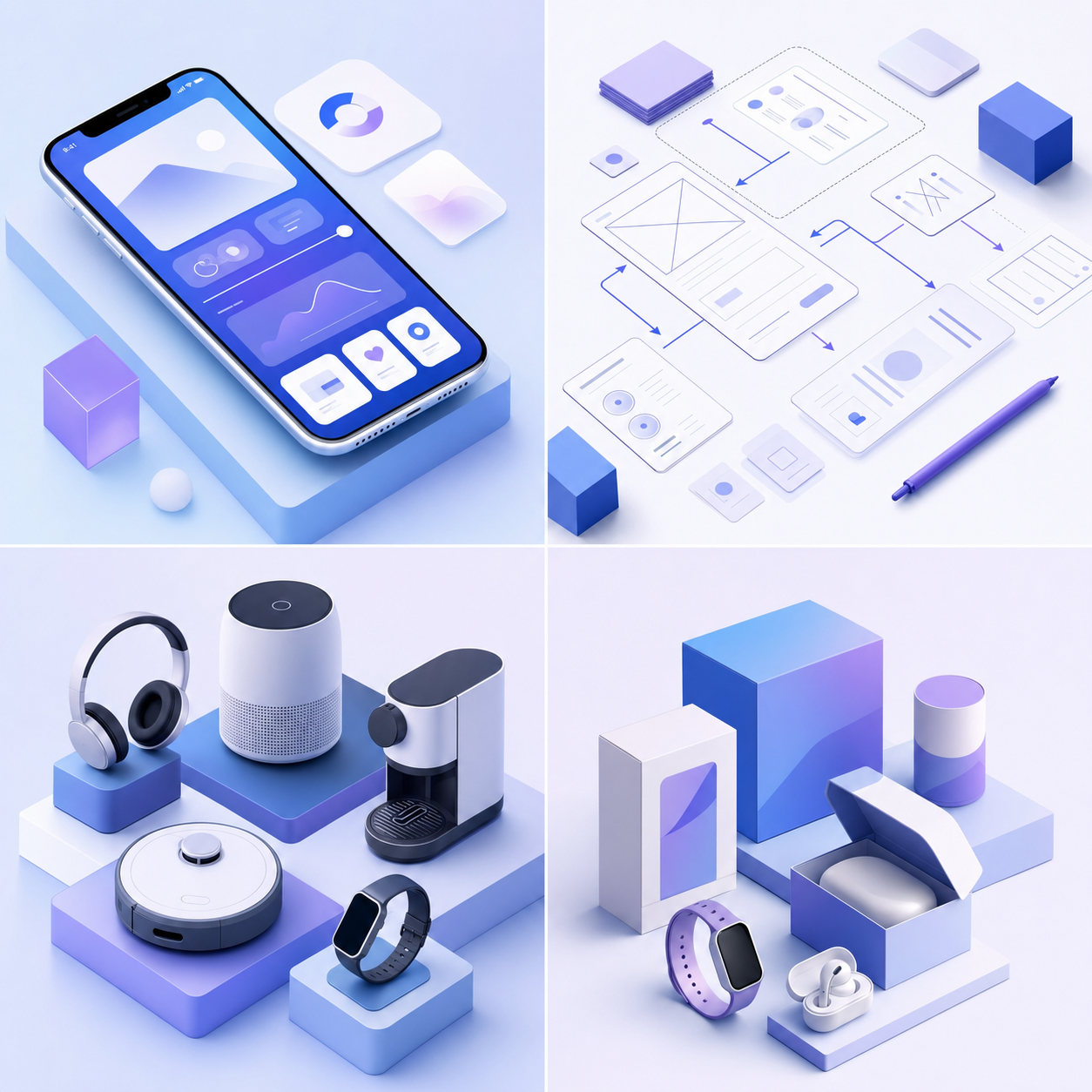
UX/UI design lives inside digital product design but carries enough depth to function as its own specialty, focused on interaction logic and visual systems instead of the product's broader strategy. Growth-focused design, design systems work, and product strategy each pull in different directions, but all sit under the same umbrella.
Product Design Careers and Job Market in 2026
Design-related roles are projected to grow 7% from 2024 to 2034, in line with broader labor market trends. Entry-level roles lean heavily on portfolio work over credentials, and remote positions are widely available at this tier, with contract work absorbing a large share of the market.
Mid-career growth tends to pull designers toward specialization: systems design, research, or product strategy. Employers across all levels rank communication and cross-functional collaboration alongside craft, since most design decisions live or die in stakeholder conversations.
Product Designer Salaries and Compensation
Salaries in product design vary widely based on experience, location, and industry. In the United States, product designer salaries often land around $110,000 to $115,000 per year on average, though this varies considerably by region. California-based designers often earn above $130,000, while Texas roles tend to land closer to $95,000 to $105,000. Entry-level product design salaries typically start between $60,000 and $75,000 annually, with hourly contract roles ranging from $40 to $90 depending on specialization and seniority.
How Location and Role Type Affect Pay
| Role Level | Average Annual Salary | Notes |
|---|---|---|
| Entry Level | $60,000 to $75,000 | Remote roles can increase range |
| Mid Level | $95,000 to $115,000 | Varies by industry |
| Senior / California | $130,000 and up | Top tech companies skew higher |
Remote product design jobs have grown steadily, and remote roles can give designers access to higher salary bands, though pay is still often adjusted by location.
Core Skills for Product Designers
Product designers blend creative instincts with analytical thinking. On the technical side, proficiency in tools like Figma, Sketch, or Adobe XD is expected, along with an understanding of prototyping and user research methods. Soft skills matter just as much: clear communication helps designers advocate for decisions across cross-functional teams, while empathy keeps the focus on real user needs.
Familiarity with AI tools is increasingly valued, as more design workflows now integrate AI-assisted ideation and testing. Business acumen rounds out the skill set, helping designers connect their work to broader product goals.
Product Design Software and Tools
Product design software spans a wide range of tools depending on the stage of work and the fidelity needed. Wireframing and prototyping tools like Figma and Sketch help teams visualize interfaces early, while browser-based playground tools let teams test changes against real codebases.
For those starting out, free and browser-based options make entry accessible:
- Figma offers a free tier that works entirely online, making it one of the most recommended product design software free options for beginners.
- Canva and Adobe Express serve lighter visual design needs without requiring installation.
- Browser-based prototyping tools let beginners test interface changes without local setup or coding experience.
AI is also reshaping how designers work, speeding up ideation and asset generation across the board.
How AI Is Reshaping Product Design
AI is reshaping how product designers work, from early concept generation to final iteration. Tools that once required hours of manual effort now take minutes, giving designers more time to focus on strategy and creativity.
Generative AI can produce initial wireframes, recommend color palettes, and suggest likely interaction patterns based on existing data and design conventions. Claude Design supports this through a dedicated design product, while OpenAI does not currently have a direct product equivalent. Teams that prefer ChatGPT can follow the same prompt-and-iterate workflow by connecting their subscription through Alloy; this guide explains how to design with ChatGPT using real product or brand context. This can speed up early-stage ideation and prototyping work.
AI also powers smarter prototyping. Design tools are beginning to auto-generate components based on existing design systems, reducing inconsistency across large teams and keeping products on-brand throughout every stage of development.
Product Design Education and Learning Paths
A four-year degree in industrial or interaction design opens doors, but many working designers are entirely self-taught. Employers care more about portfolio quality than credentials.
For structured learning, options worth considering:
- University programs in design, UX, or HCI give you theory, critique culture, and peer networks that are hard to replicate elsewhere.
- Bootcamps like General Assembly or Springboard offer faster, career-focused tracks with mentorship built in.
- Free and paid courses on Udemy, Coursera, and Figma's own resources let you learn at your own pace without upfront commitment.
- Google's UX Design Certificate is available with financial aid and recognized by many hiring managers.
The fastest path if you're starting out combines a short structured course with real personal projects. Build work you can show, and the credential question largely answers itself.
How Product Design Accelerates Product Development with Alloy
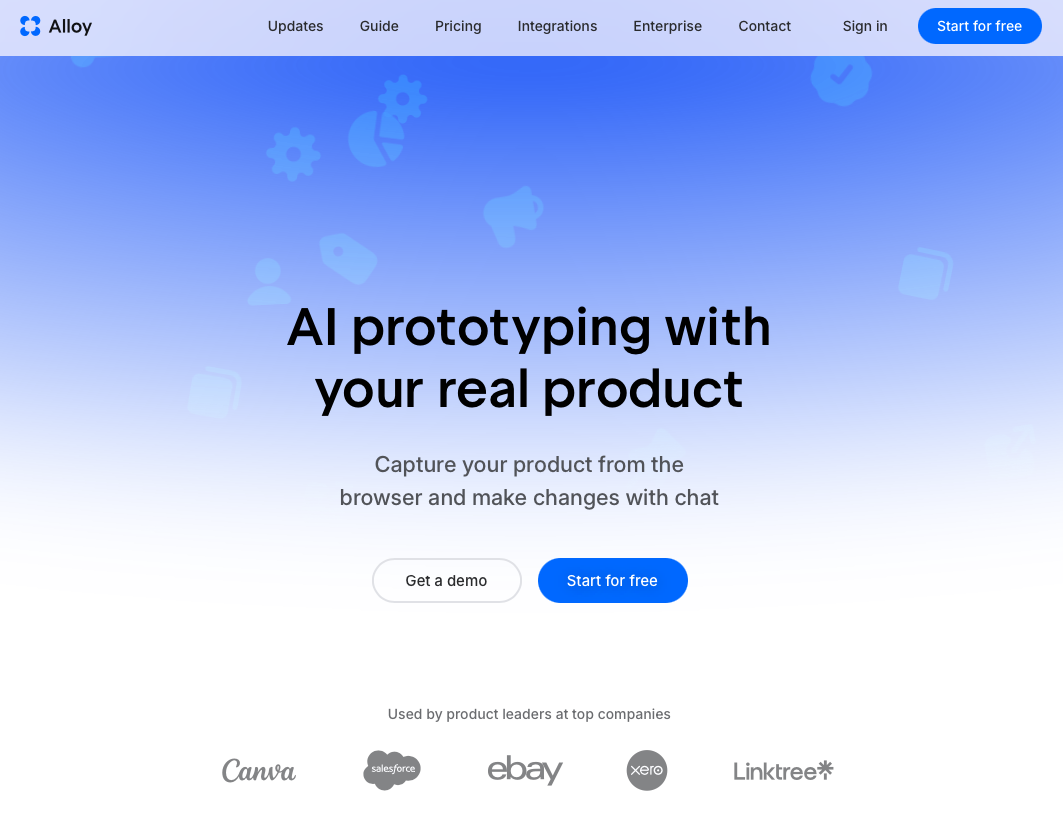
Alloy's Cloud Playground gives product teams a faster path from design concept to testable prototype. Teams can modify their real codebase inside isolated sandboxes, describe changes in plain language, and share an interactive result via link in minutes.
No local setup. No off-brand mockups. Just your actual product, tested safely, with feedback collected directly on the prototype.
For teams running the design process covered in this guide, Alloy fits naturally into the prototyping and iteration stages, replacing static handoffs with living environments that engineering can act on immediately.
FAQs
What's the difference between digital product design and UX/UI design?
Digital product design covers the full strategy and development of apps, SaaS tools, and web products, while UX/UI design is a specialized subset focused on interaction logic, user flows, and visual interface systems. UX/UI designers work within the broader digital product design process but concentrate on how users move through and experience the interface instead of the product's overall strategy.
Can I learn product design without a degree?
Yes. Employers value portfolio quality over credentials, and many working designers are entirely self-taught. The fastest path combines a short structured course (like Google's UX Design Certificate or a bootcamp) with real personal projects that you can show in your portfolio.
Best product design software for beginners?
Figma is the top choice for beginners because it offers a free tier, works entirely online without installation, and is widely used by professional teams. For 3D modeling, Tinkercad provides a beginner-friendly free online option that requires no prior experience.
What's the average entry level product design salary in 2026?
Entry-level product designers typically earn between $60,000 and $75,000 annually, with remote roles often pushing toward the higher end of that range. Contract positions can offer more flexibility, with hourly rates ranging from $40 to $90 depending on specialization and project scope.
How do product designers use AI in their workflow?
Designers use AI to generate initial wireframes, suggest color palettes, recommend likely interaction patterns, and auto-generate components from existing design systems. This speeds up early-stage research and prototyping cycles in a fraction of the time, giving designers more time to focus on strategy and refinement instead of manual execution.
Final Thoughts on Learning Product Design
Whether you take a product design course or teach yourself through side projects, what matters is building a body of work that shows how you solve problems. Tools like Alloy's Cloud Playground let you practice on real codebases in isolated sandboxes, so you can build portfolio-worthy prototypes without any local setup. Your first role might be contract or remote, and that's fine. Focus on getting reps, collecting feedback, and refining your process. The best designers stay curious and keep shipping, no matter where they are in their career.